Our involvement with the world is always mediated by the body, and we cannot perceive without also being an active part of what we observe.
That is why Ding Musa urges us to question the dominant structures that shape this perception and to seek alternative, more dynamic ways of seeing. Is it possible to find freedom within these established patterns, or will we always be limited by them? Musa offers no clear answers. Instead, he invites us to enter this space of uncertainty and doubt.
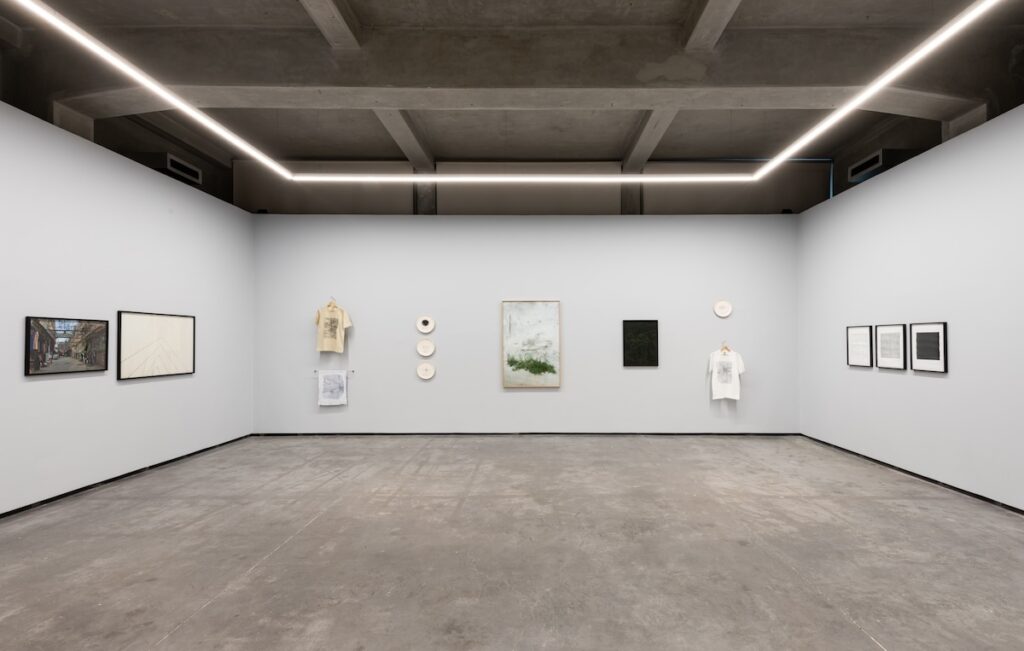
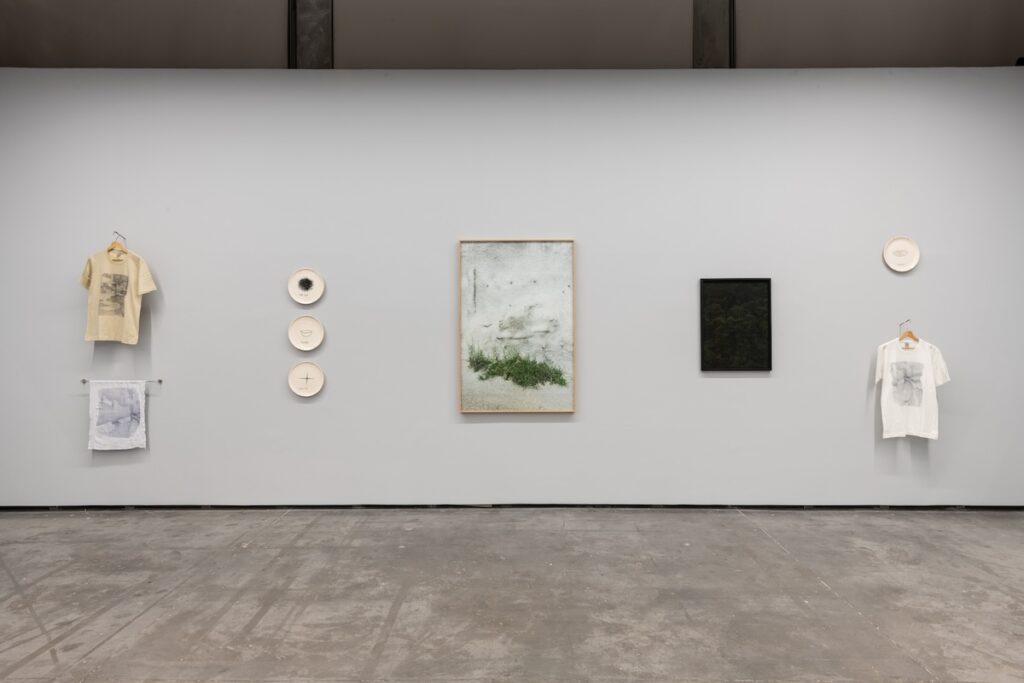
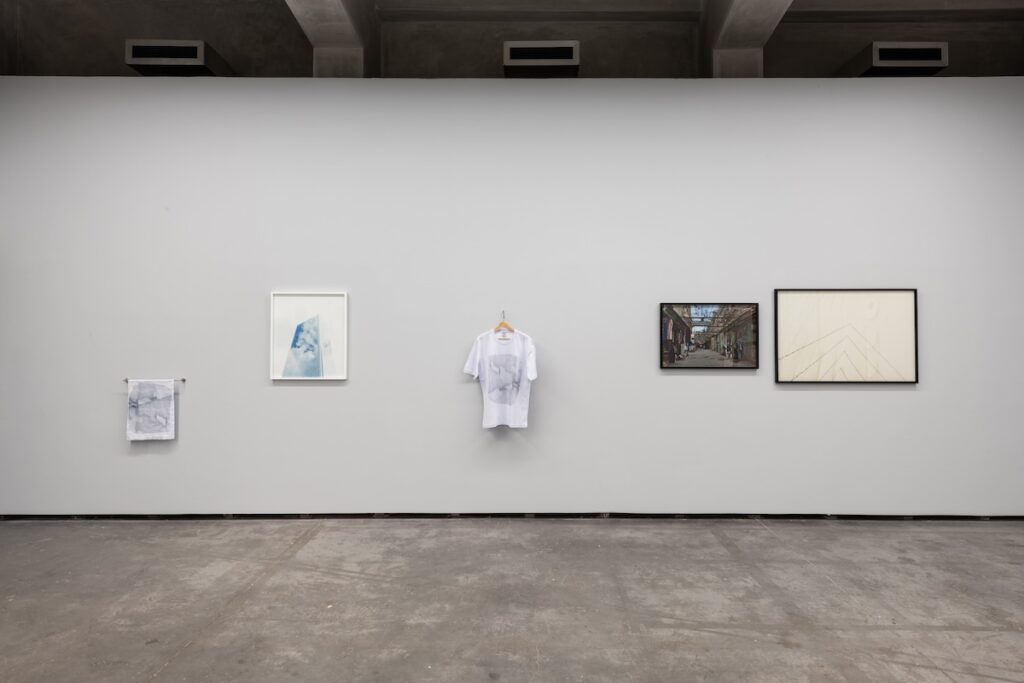
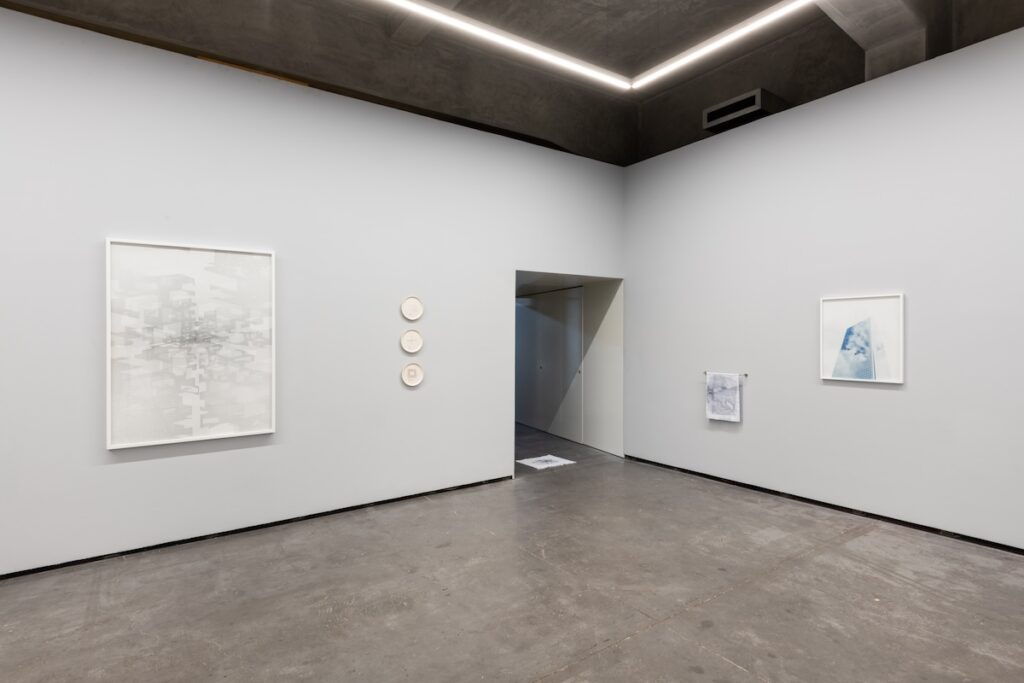
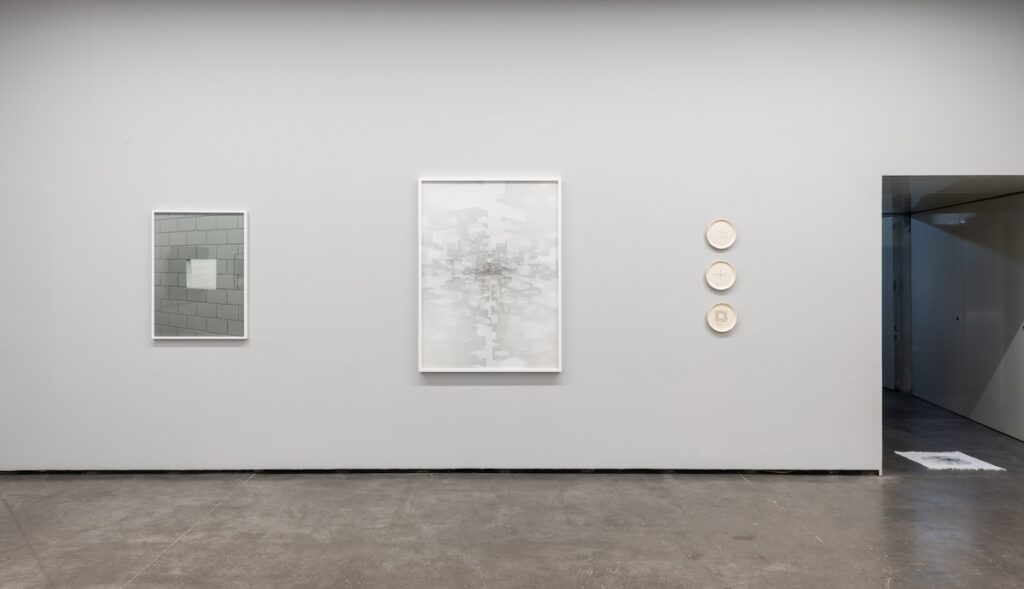
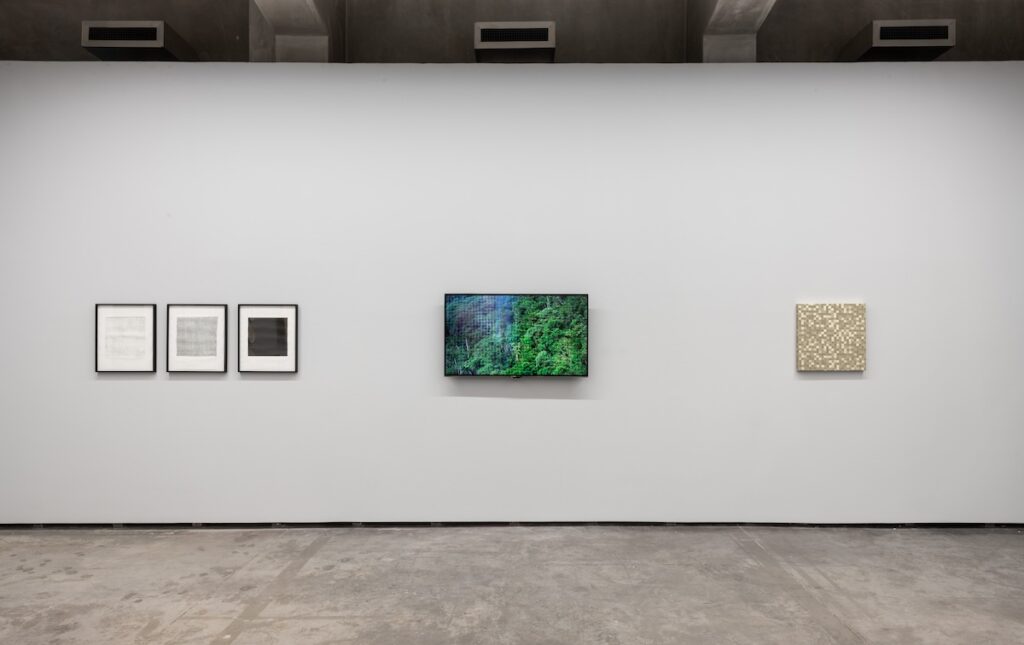
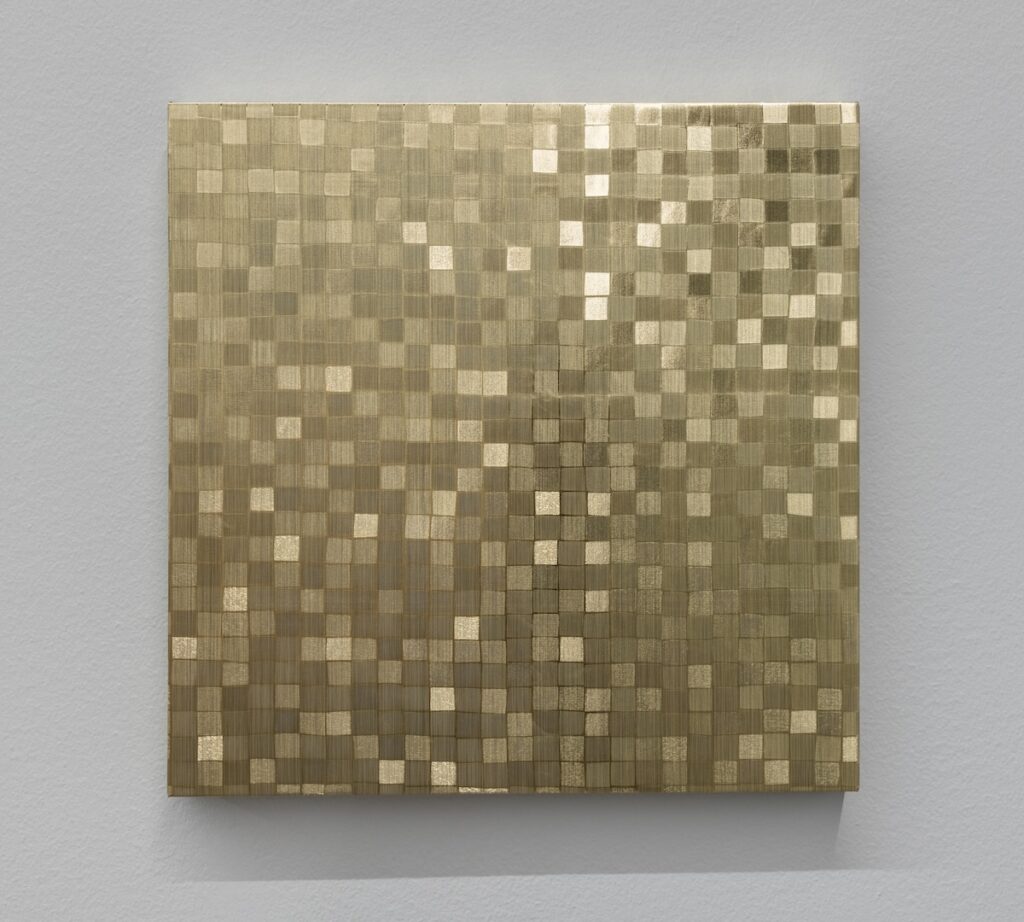
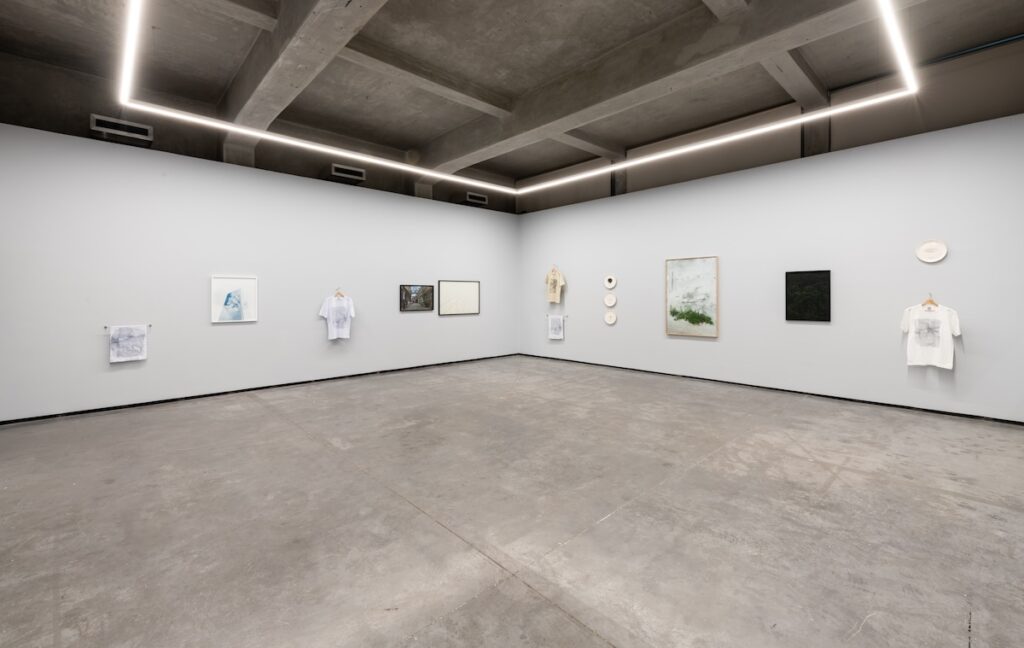
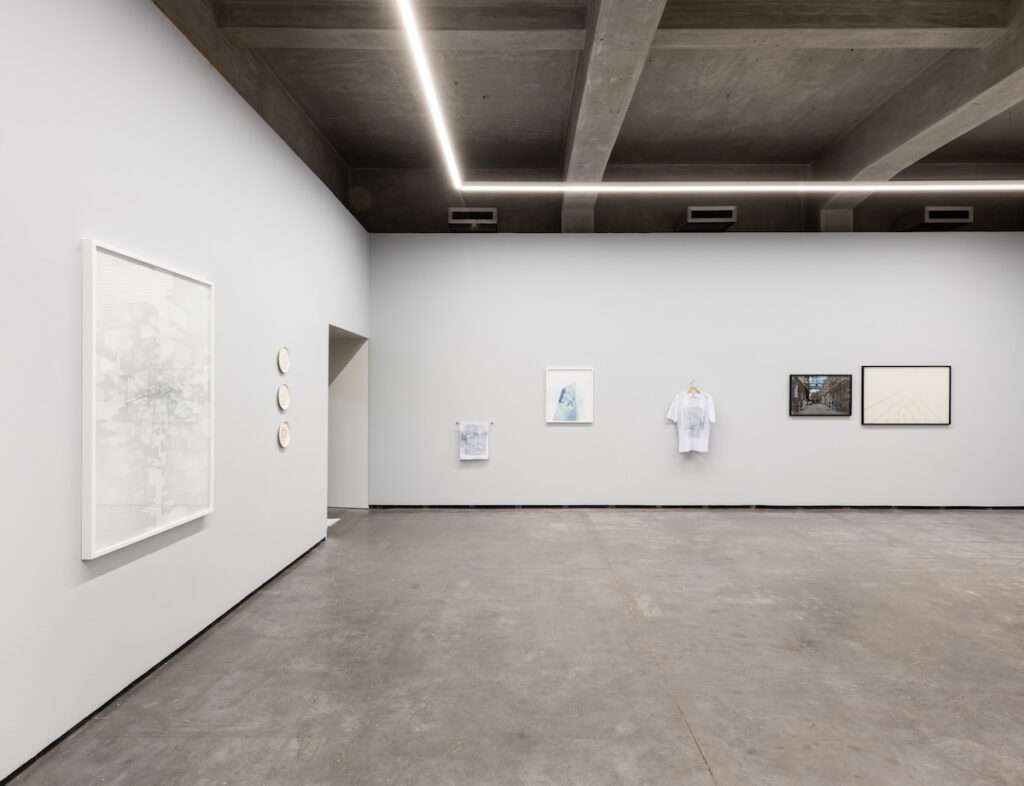
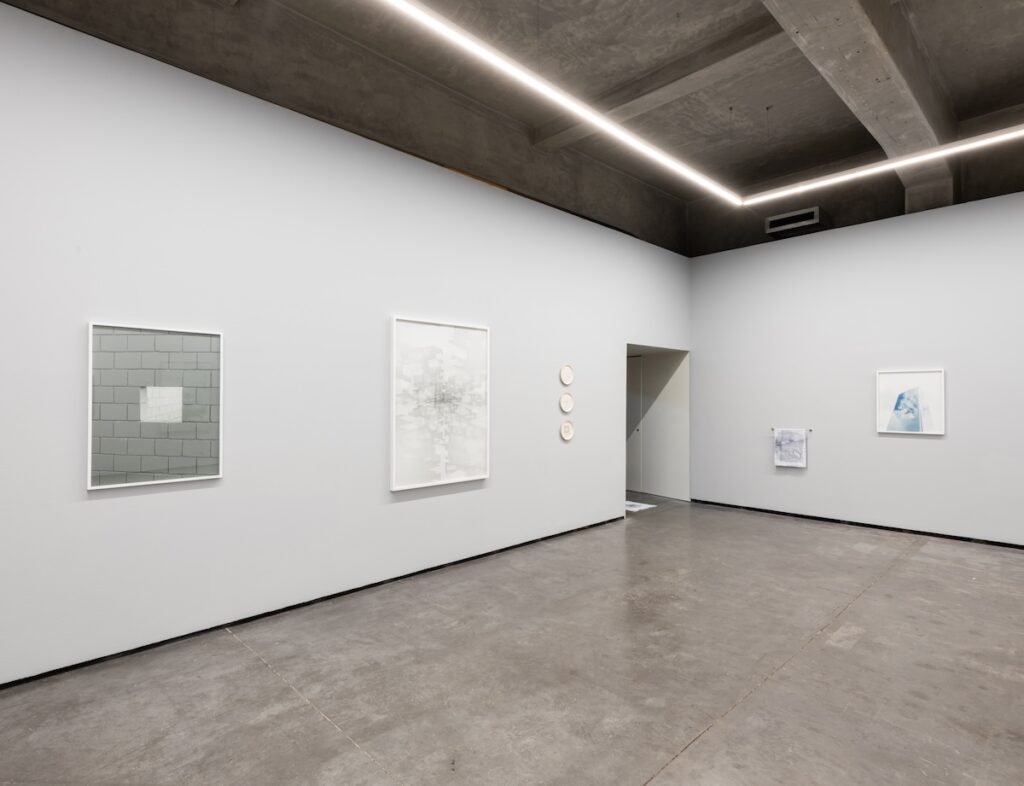
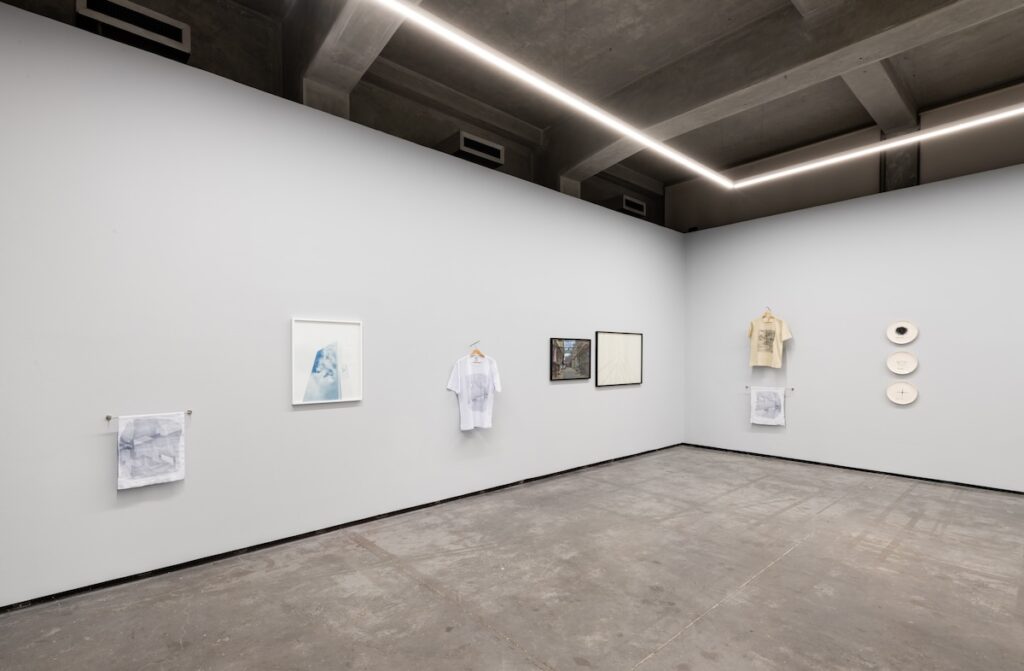
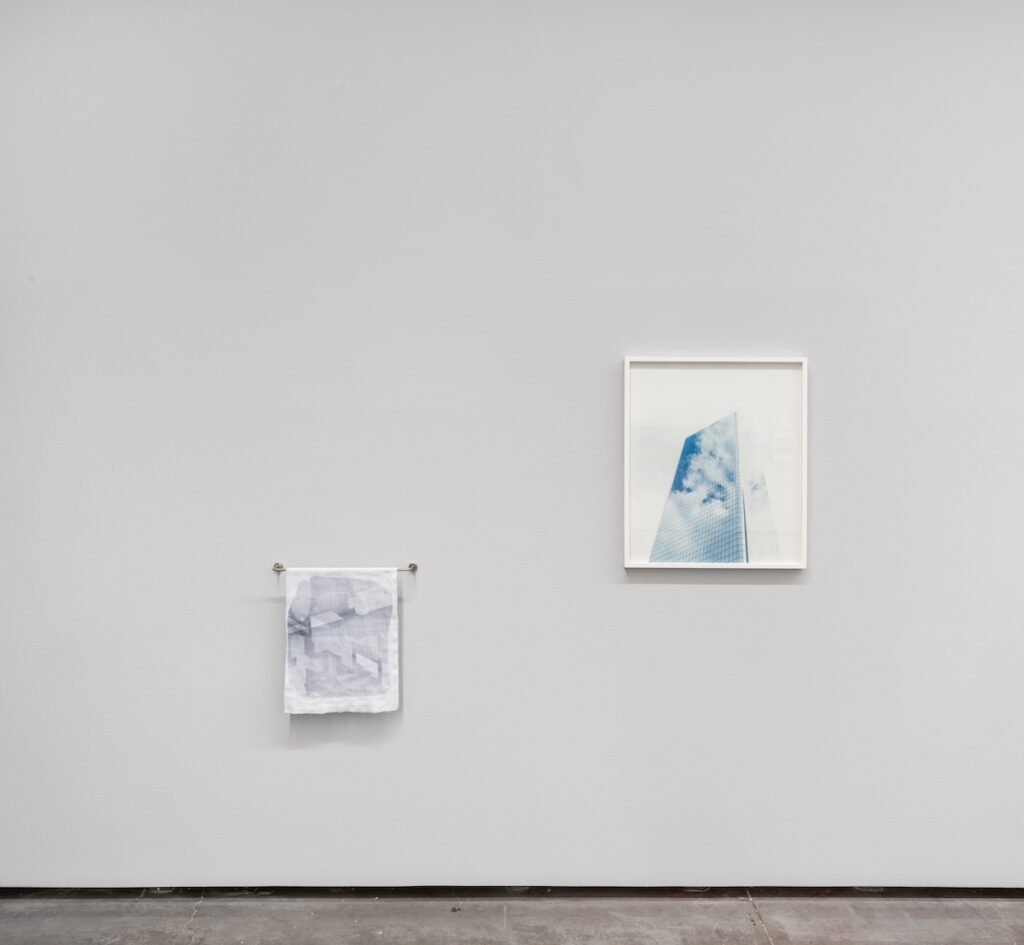
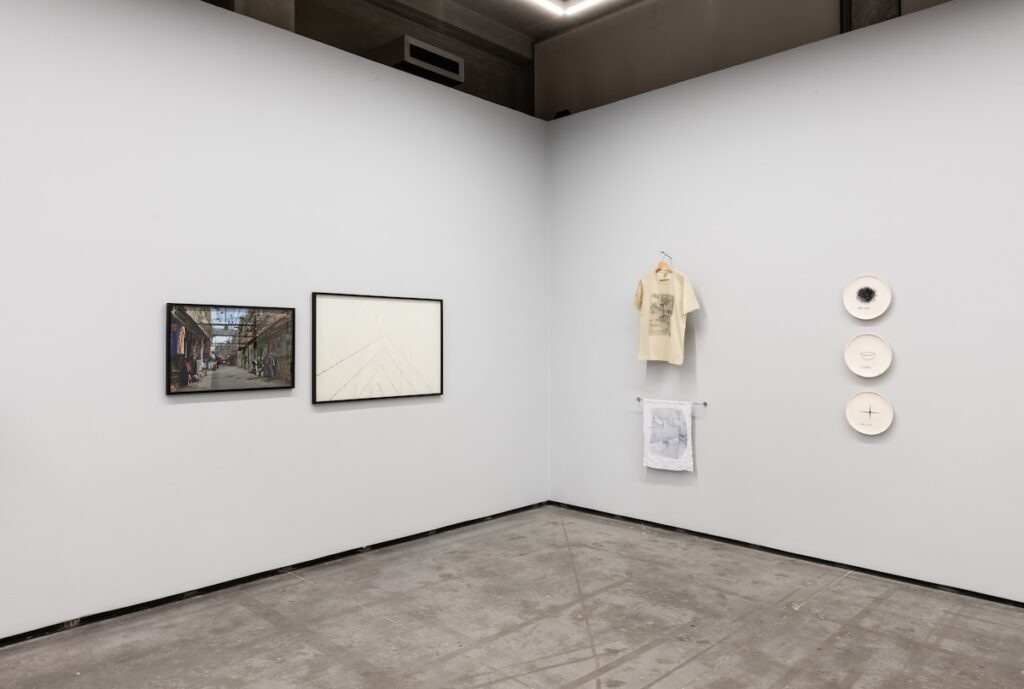
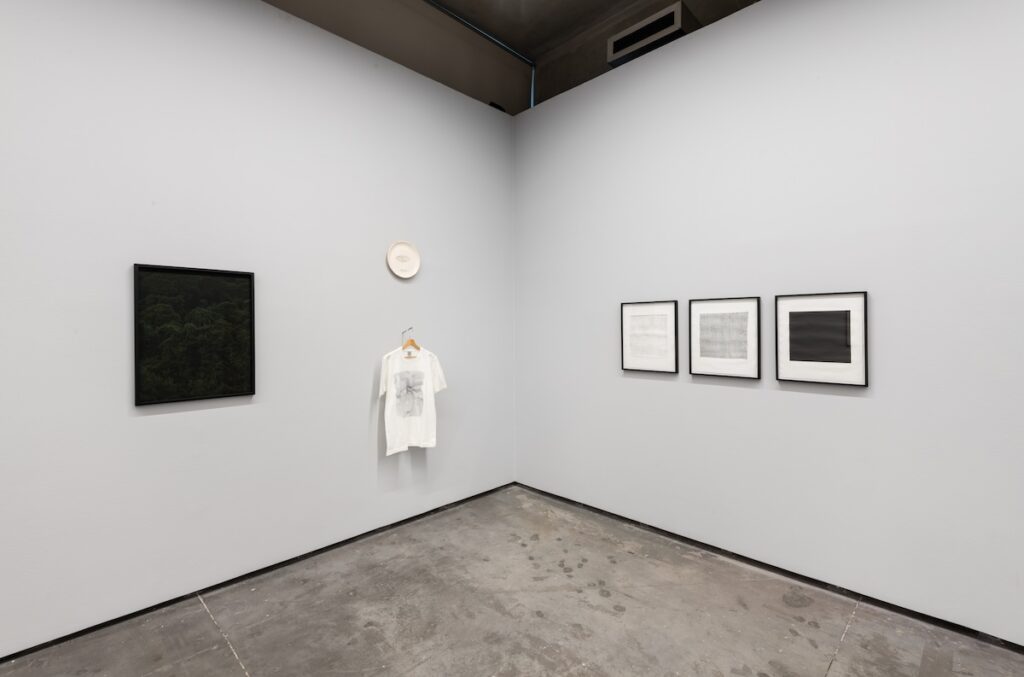
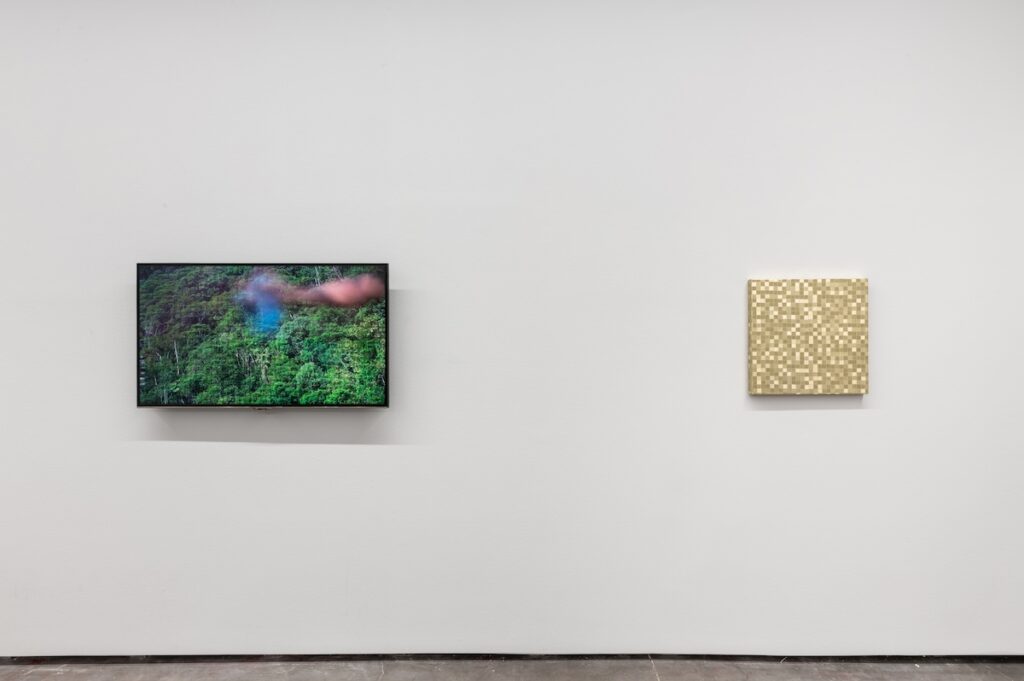
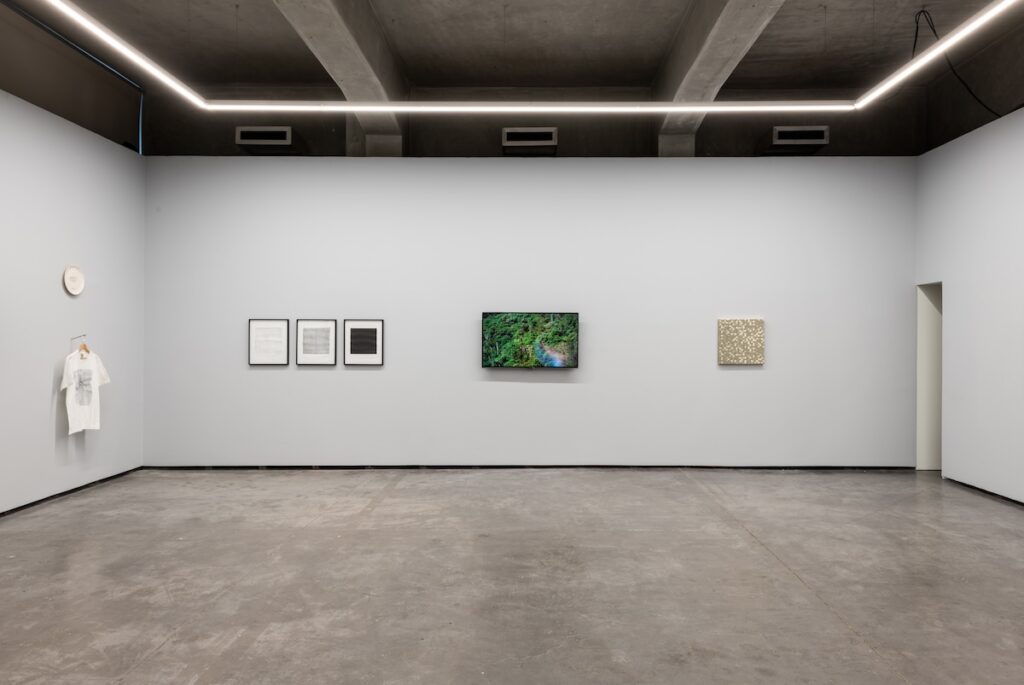
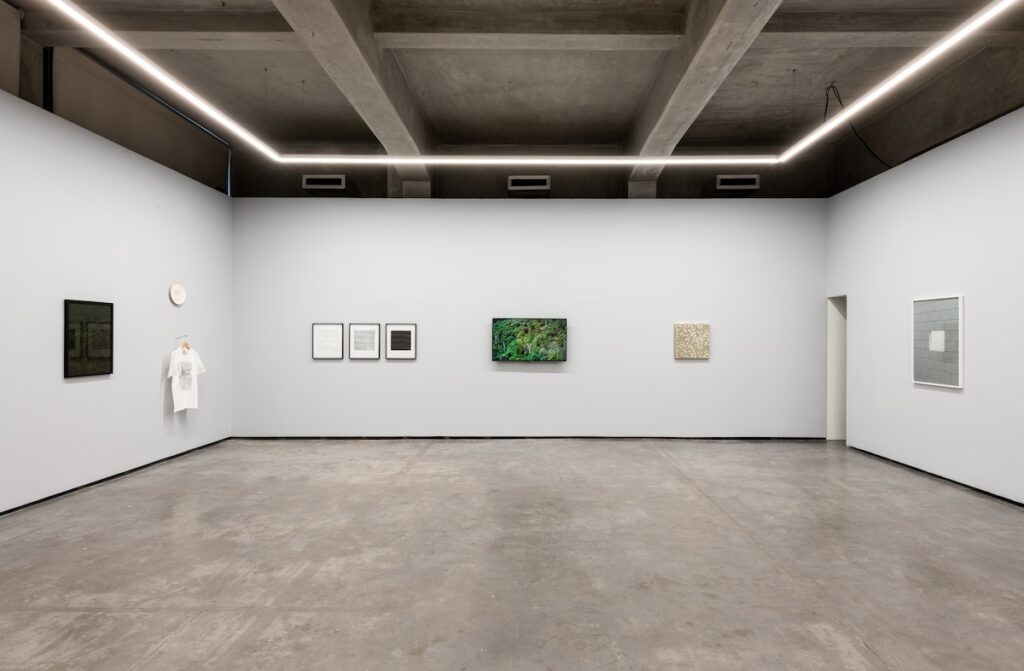
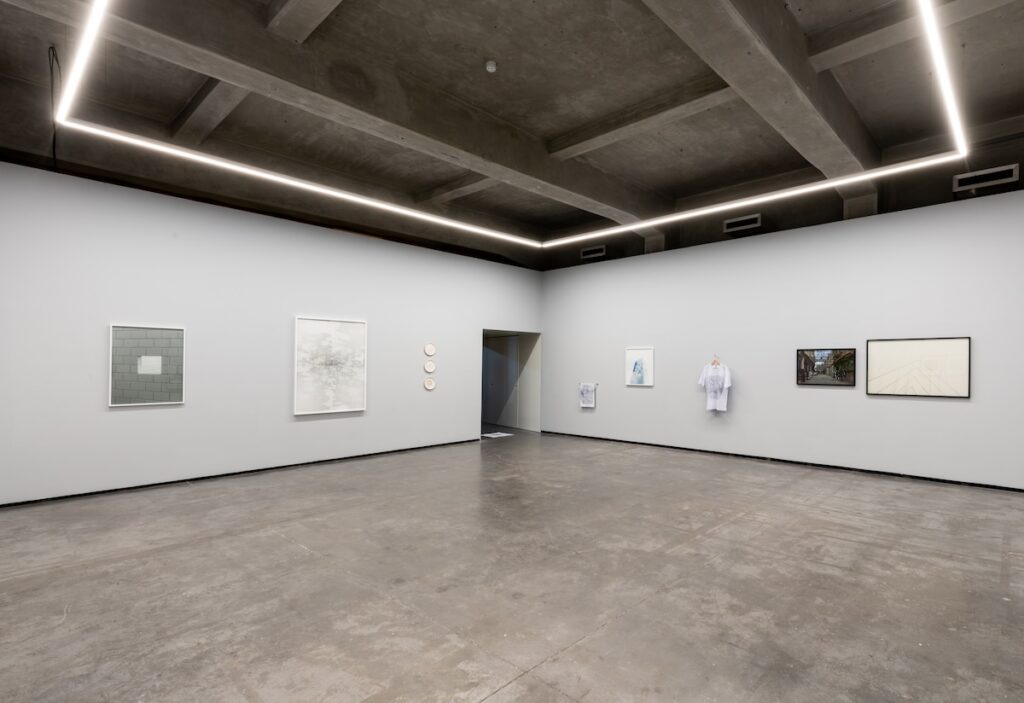
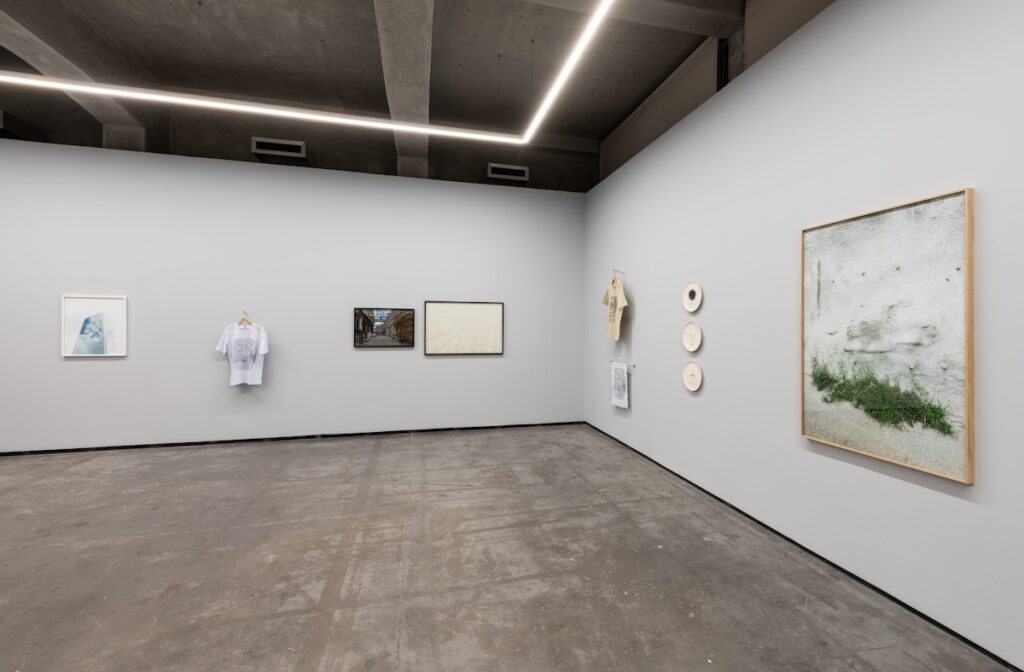
Another central theme in this work is the grid, which appears several times in the exhibition and contains this analogy of organisation of the space, providing a sense of structure and order. However, as the work suggests, the grid can also be seen as a device that limits freedom and imposes rigid restraints on the way we understand the world. Geometric shapes are not objective structures that exist independently of human perception. On the contrary, they are shaped by our bodily experience of the world. For the artist, the space is not a fixed entity, but something that is constantly being re-imagined and reinterpreted by the person experiencing it. Musa’s grids do not impose a singular or fixed perspective; instead, they open multiple possibilities for us to understand the space and [its] relationships, encouraging us to see the grid as a structure that can be dissolved and transformed.
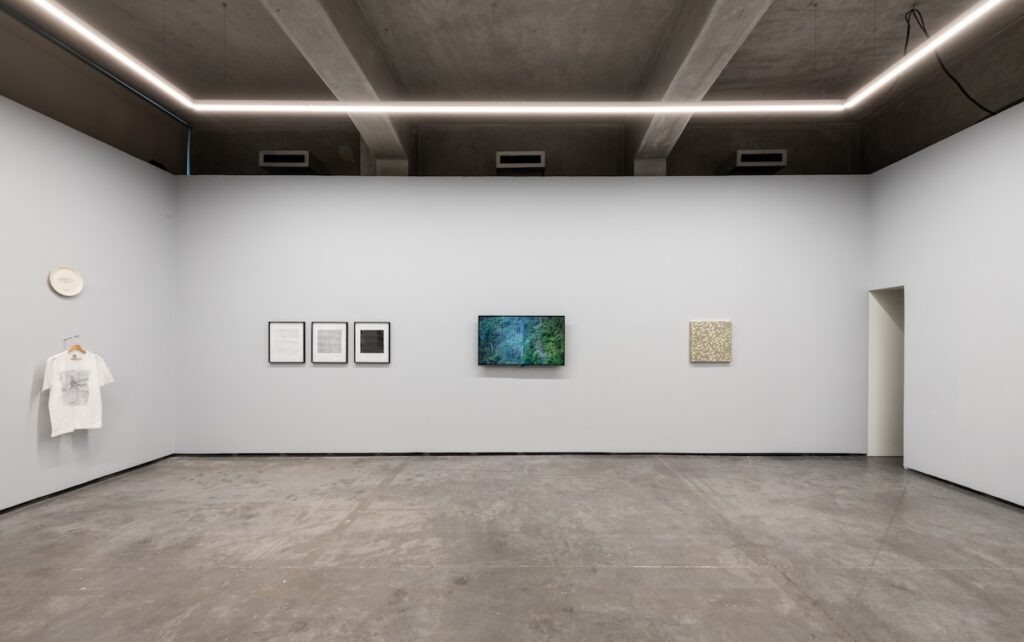
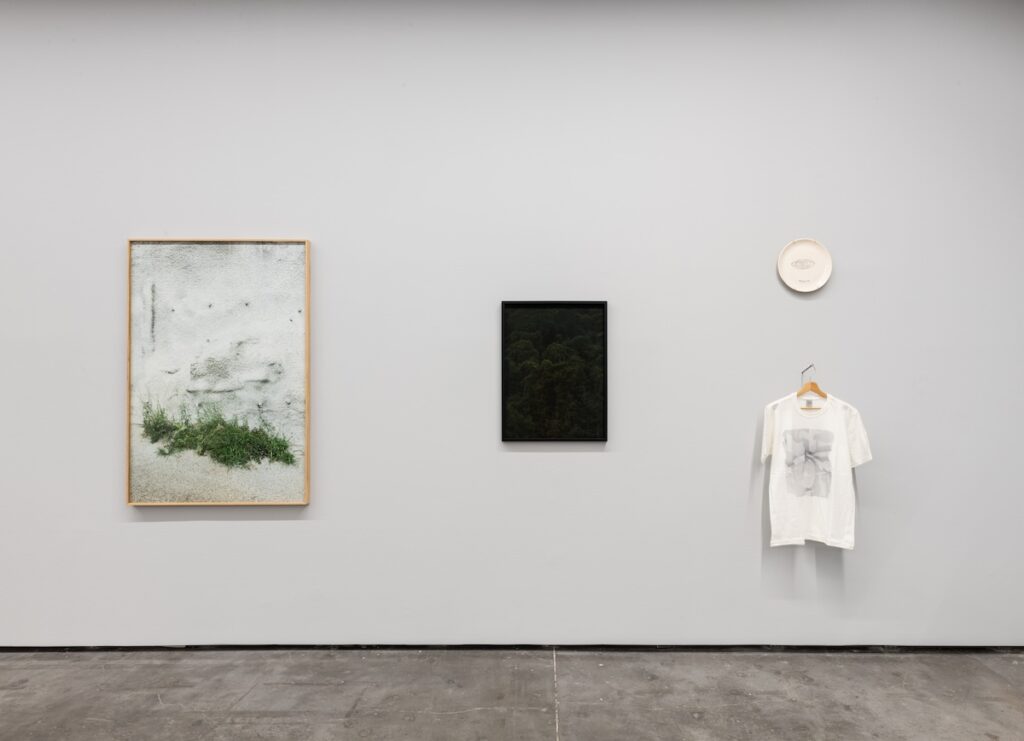
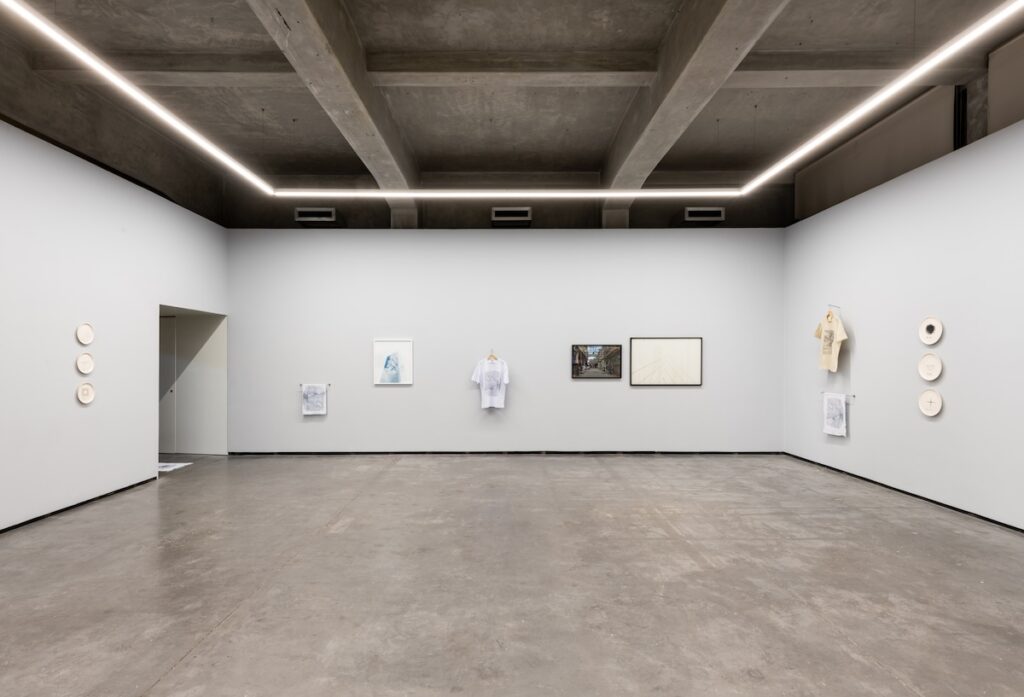
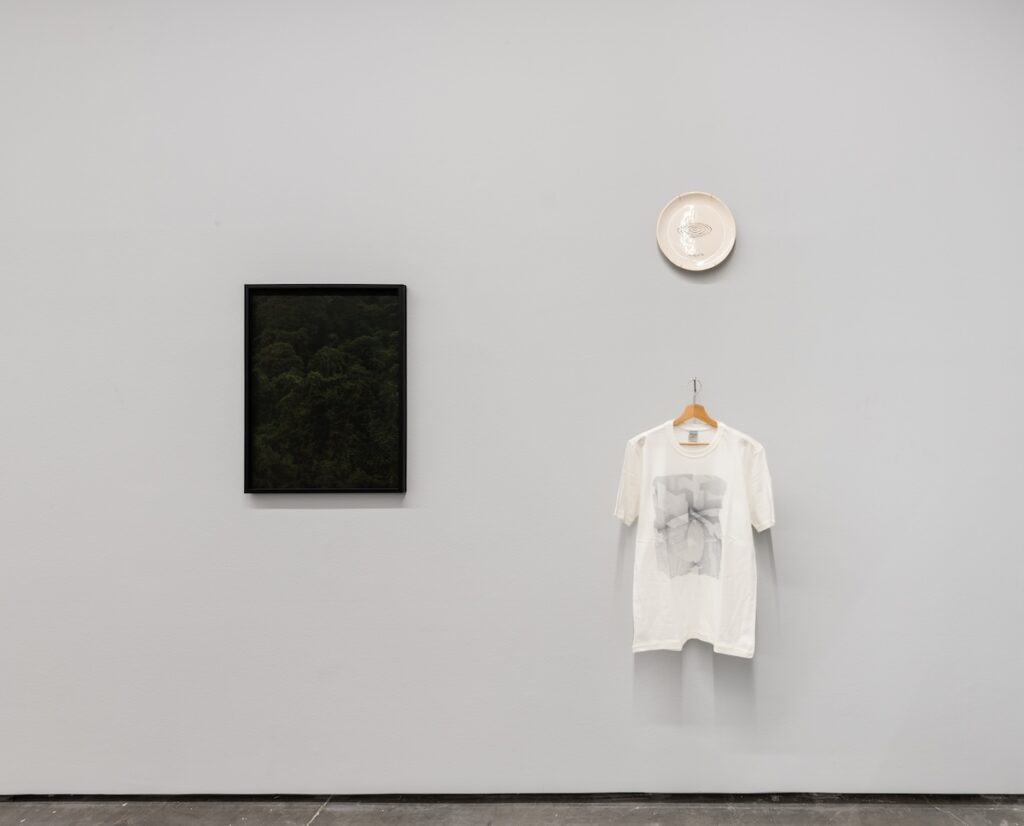
In some of his works, Musa prints grids onto everyday materials, such as tea towels, t-shirts and photographic paper, blurring the boundary between art and life. Those objects, generally associated with the domestic space, become places of artistic and philosophical research. The grid, traditionally viewed as a formal aesthetic device, is re-contextualised as part of the fabric of everyday life. In doing this, Musa questions how the structures that organise our daily existence – whether physical or ideological – are constructed and maintained.
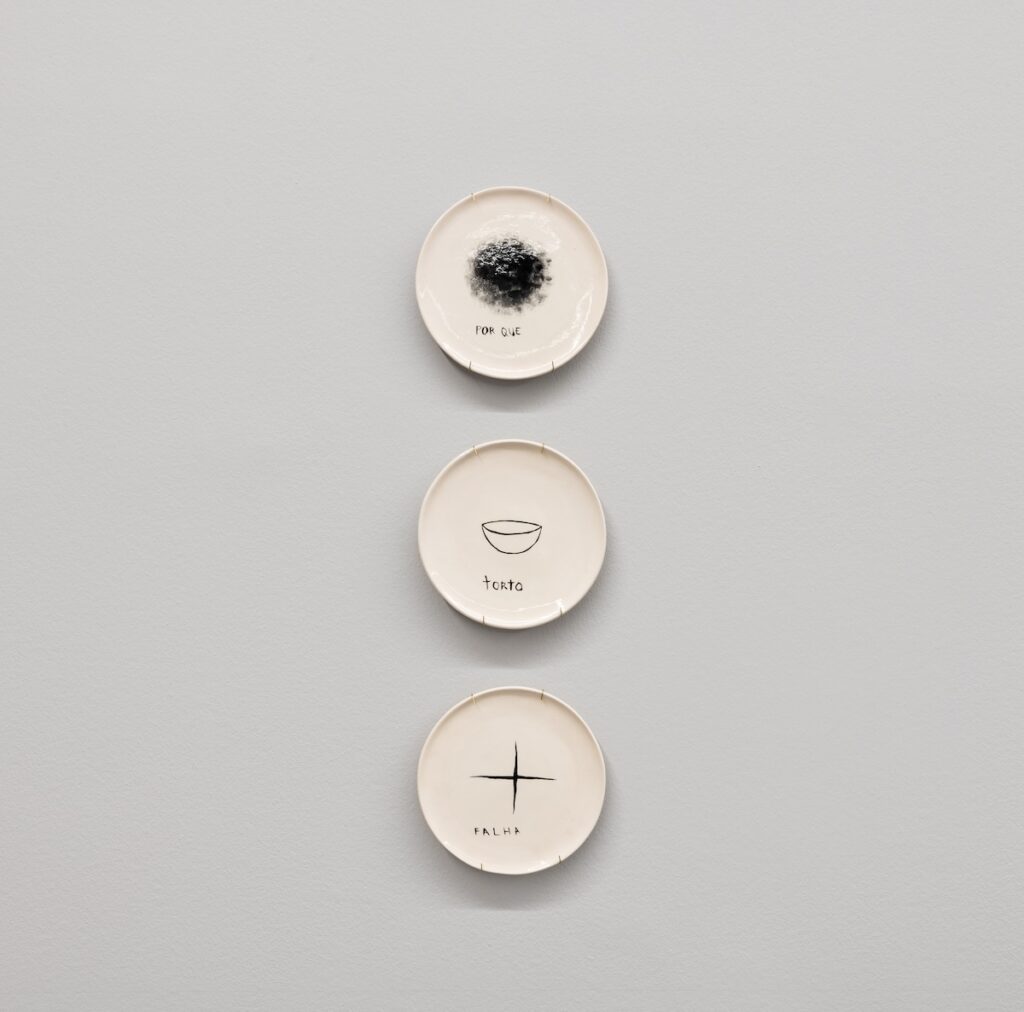
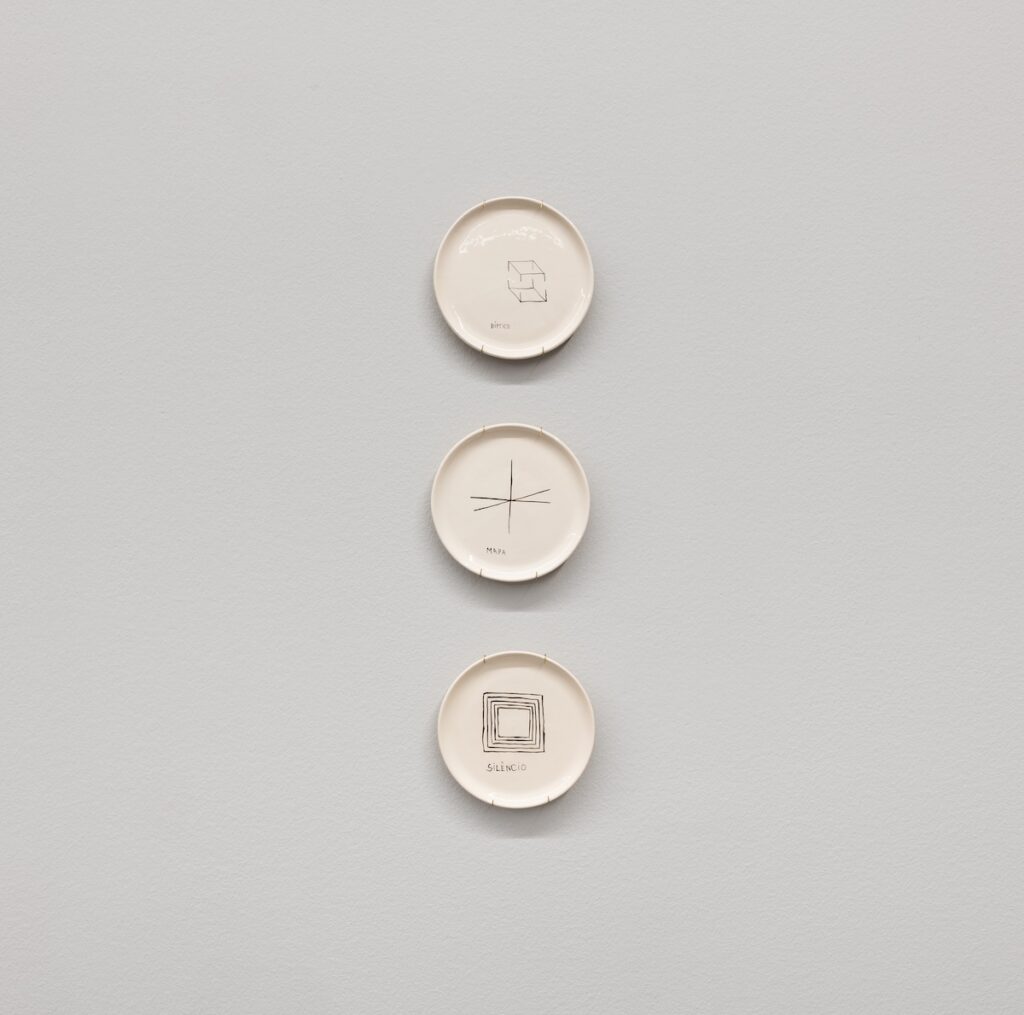
Underlying Musa’s work is a deep concern with the notion of construction, both literal and conceptual. What kind of units is the world composed of? How are they constructed, divided and put together? What hidden forces make these units possible? These questions are central for the exploration of construction units that Musa sees as the building blocks of both perception and reality.
The work displayed here does not simply ask us to see; it asks us to participate, it asks us to become co- creators in this dance between presence and absence, between what is given and what is hidden. At each vanishing point there is a trace of the infinite, a proviso that perspectives can dissolve, reappear and transform into something new. The lines become paths, and spaces open towards the unknown. When we penetrate this kingdom of uncertainties, we are invited not just to perceive, but to dream, to find in the lack of perspective the potential for an unlimited vision, for the beauty that exists in the unfinished.
Luiza Teixeira de Freitas



 /
/  /
/ 