Thoughts written down from a mirage
We shudder to imagine that distant moment in the past when our ancestors allowed themselves to fix, in the form of a visual representation, ideas that until then had only been held in human consciousness and in the universe of gesture and orality. The invention of symbolic representation indelibly marks the process of human cultural evolution, and the fixation of these visual ideas by means of abstract or proto-figurative engravings, paintings on the walls of caves or rocks, and through the subsequent development of pictograms, alphabets, numbering, signs, written language, figures and images generally conceived and produced on the most varied range of supports, facilitated the creation of a culture based on a complex web of visual thoughts.
The development, transmission, and sharing of these representations has allowed us – over time – to establish a possible idea of universality, facilitating communication and understanding from the basis of a structured vision of reality and the world and its fundamental principles. This idea of shared universality was tested through its temporal viability. The durability of a given symbolic representation would attest to its communicational effectiveness, making it possible to reinforce its condition as an unavoidable element in the construction of meaning.
Throughout his career, Manuel Caldeira has carried out artistic research into symbolic representation, its effectiveness, permanence, viability and constitutive process. His work seeks to touch the plane of reality through syncretic, multi-dimensional representational mechanisms which, like magic as a territory of possibility for the creation of worlds, allow for a transcendental escape from the contingency of the world.
A mirage can be mistaken for a magical phenomenon, or even a hallucination. Caused by the curved refraction of the sun’s rays on the horizon, a mirage is an optical phenomenon that recreates a composite image from the sky or other distant elements. Visualising this phenomenon triggers a process of interpretation in the viewer that is entirely dependent on a process of visual recognition. We project what we know. We recognise in the world outside us our own interiority, which is the result of the enormous sum of images that we have – over time – gathered within us.
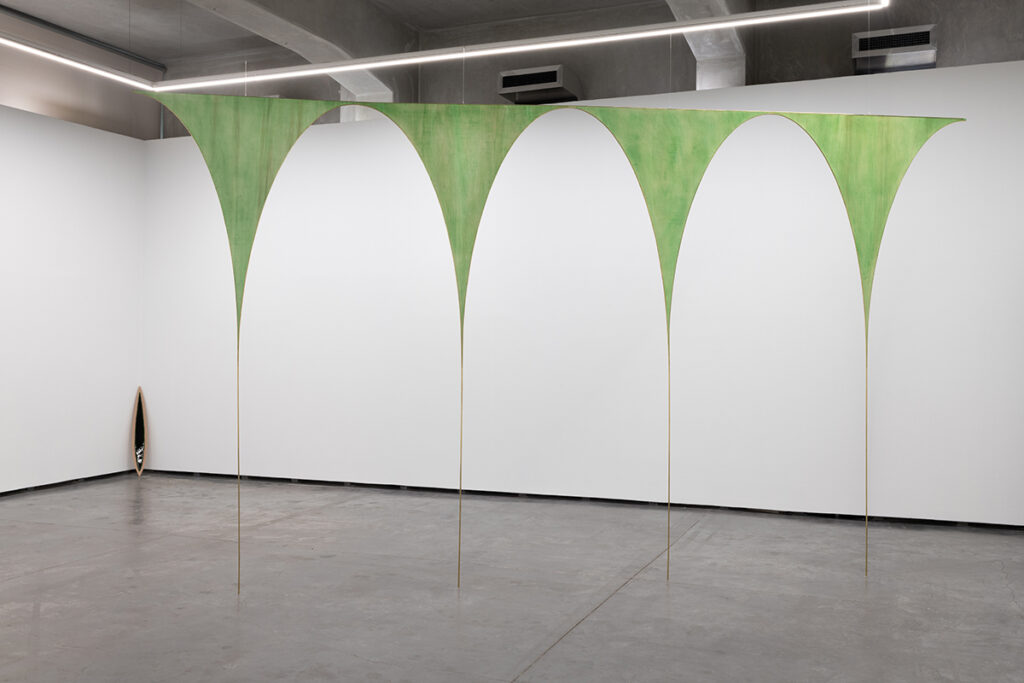
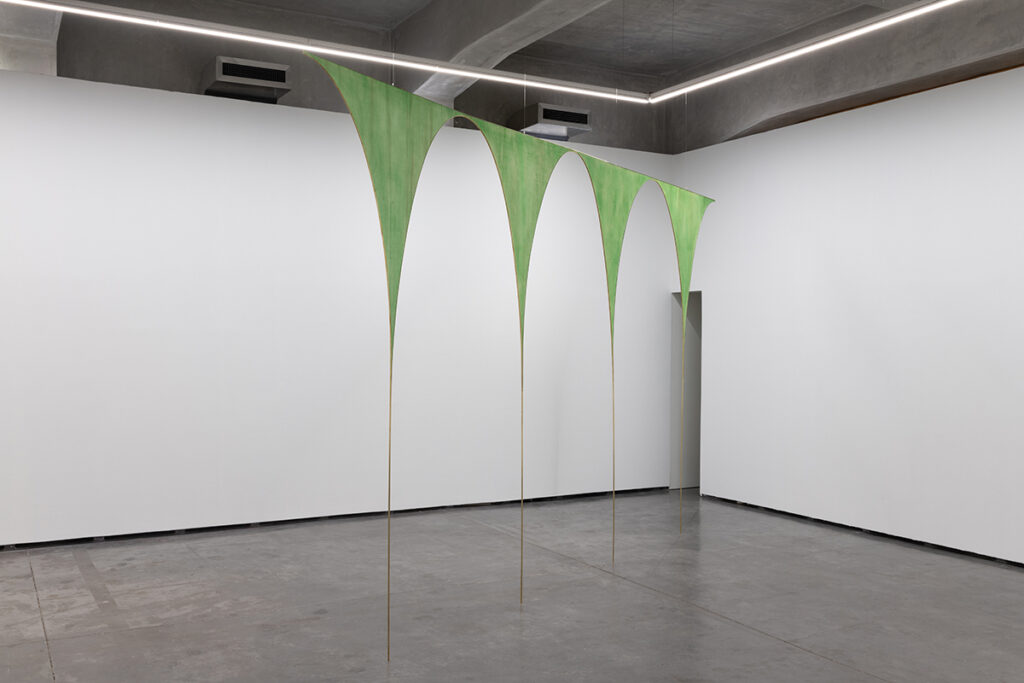
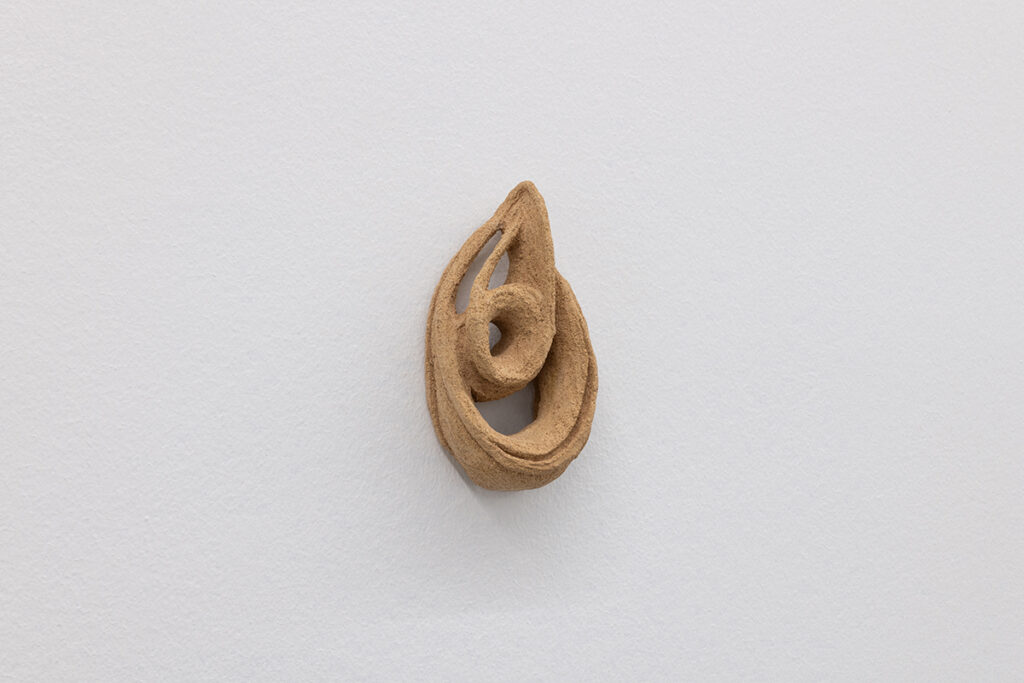
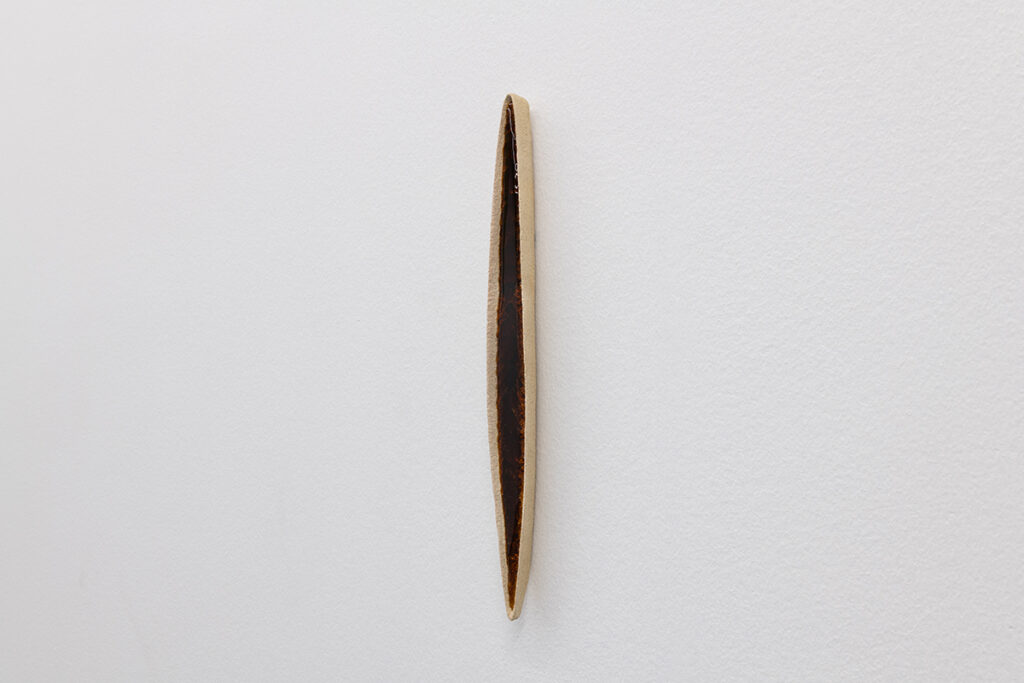
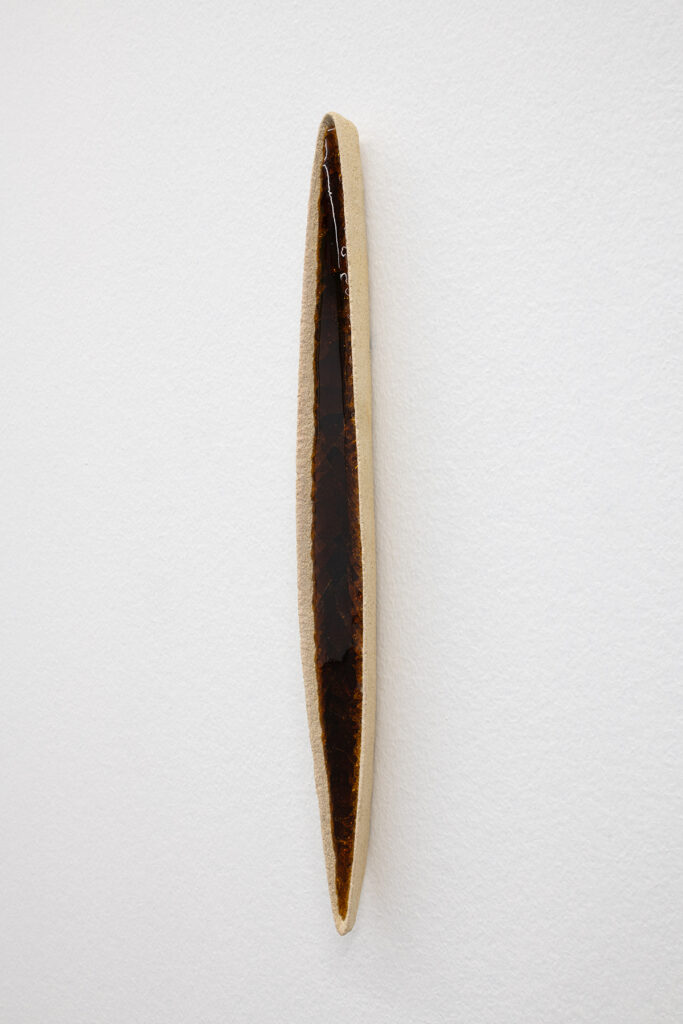
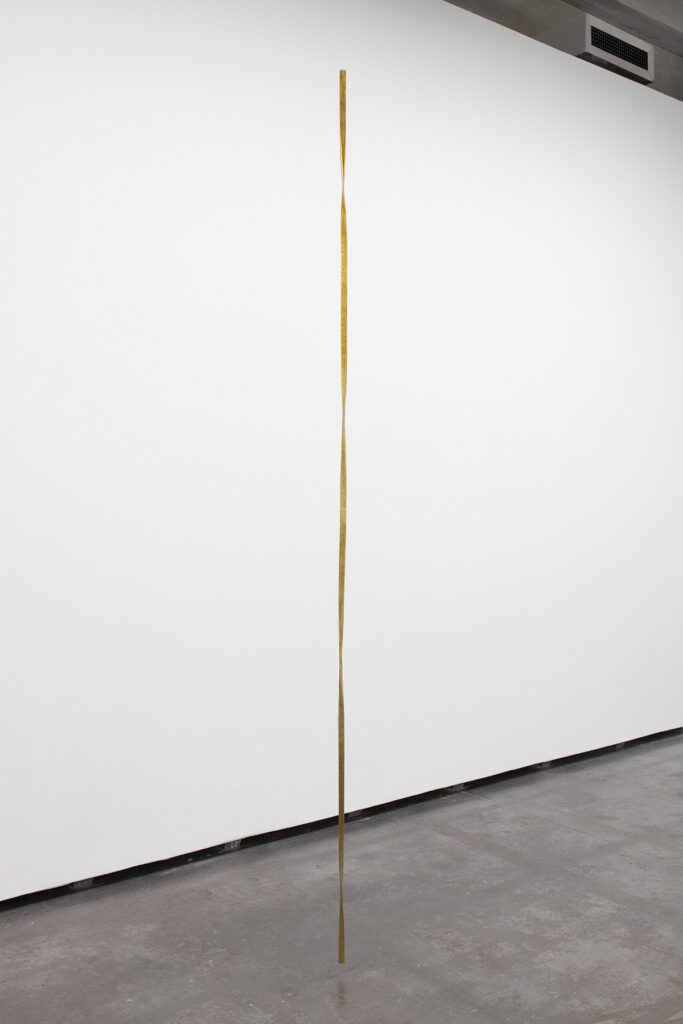
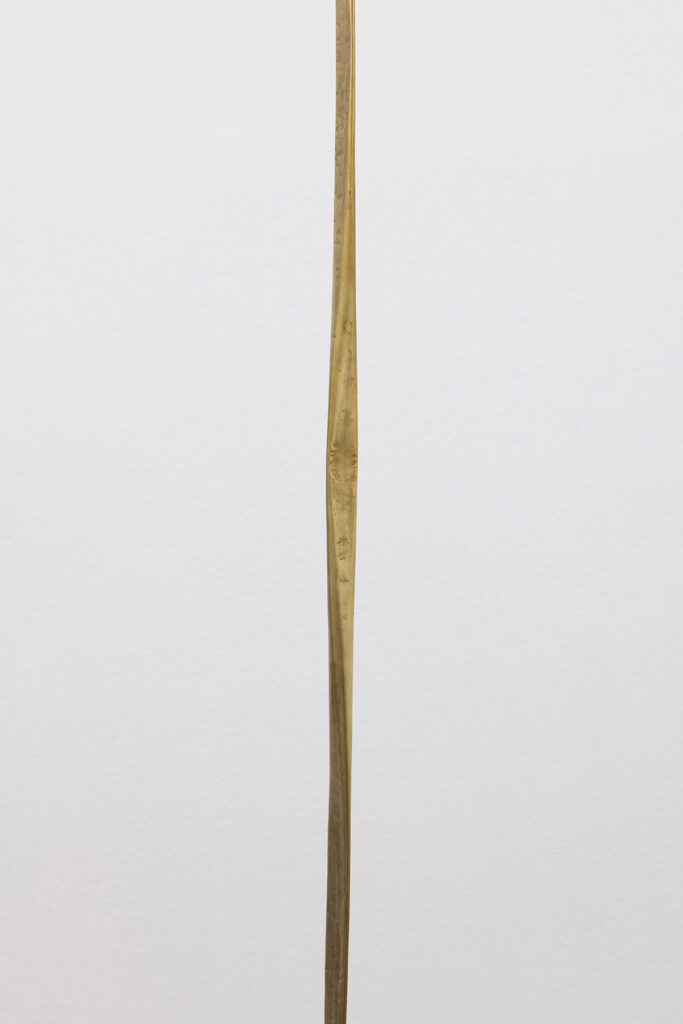
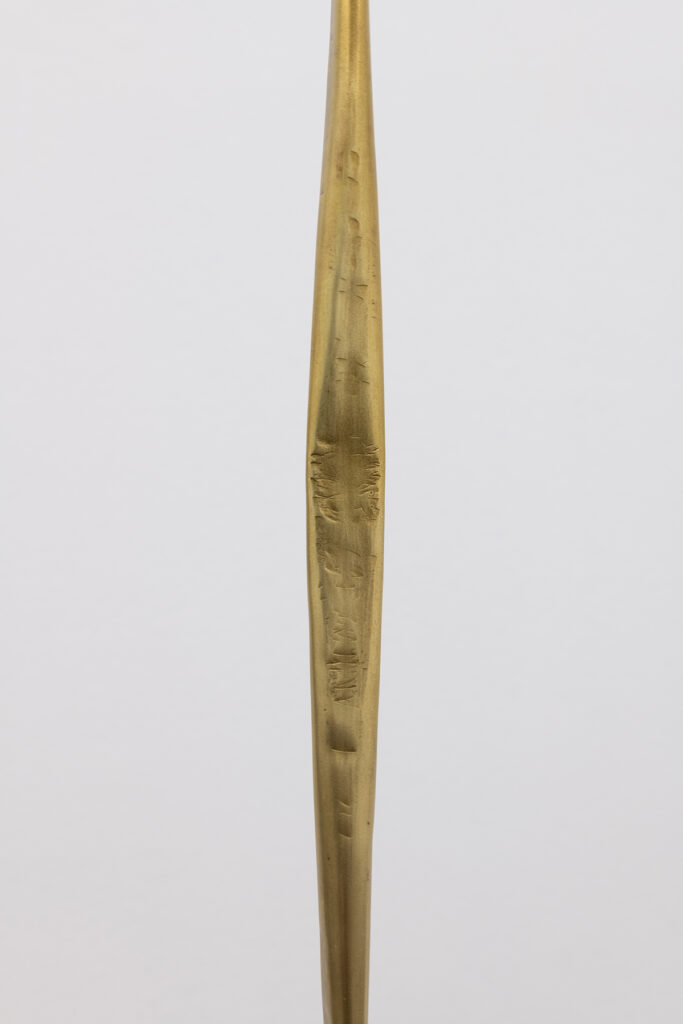
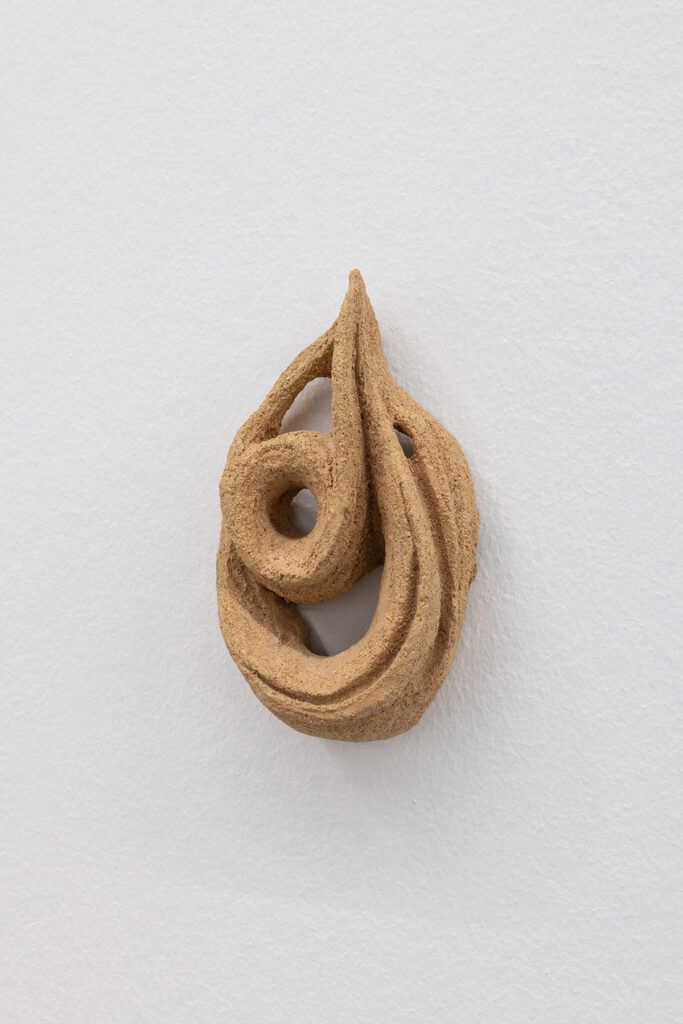
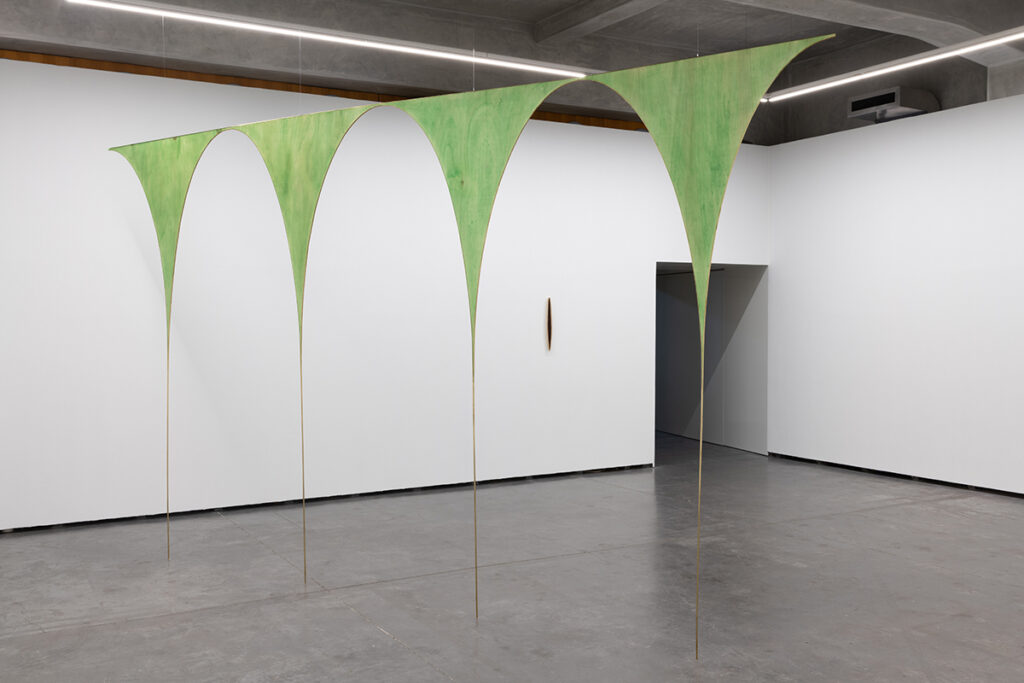
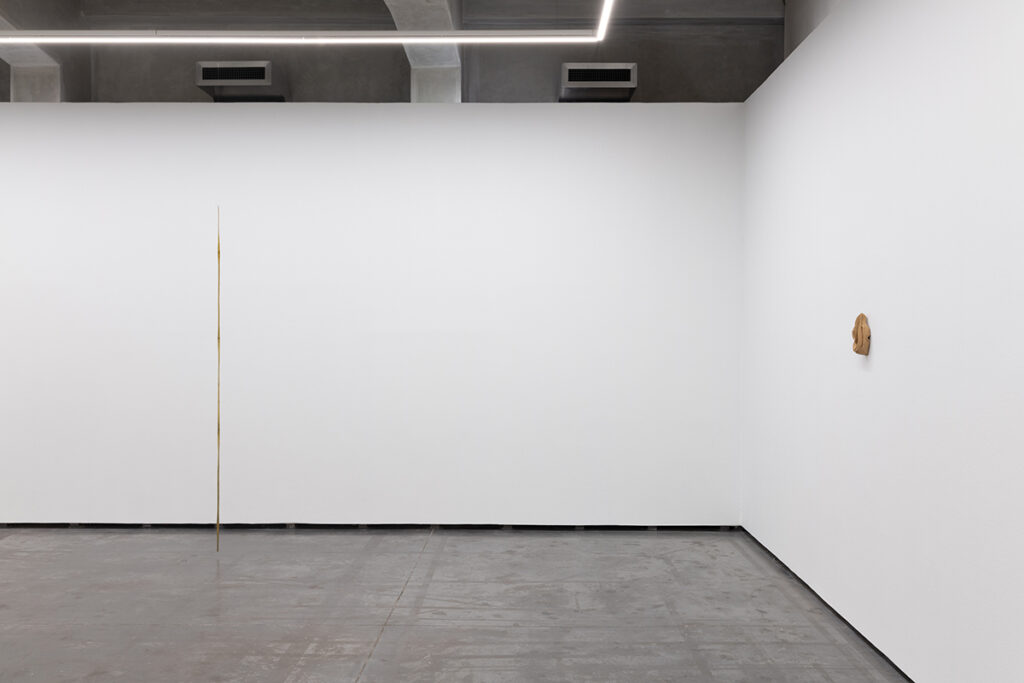
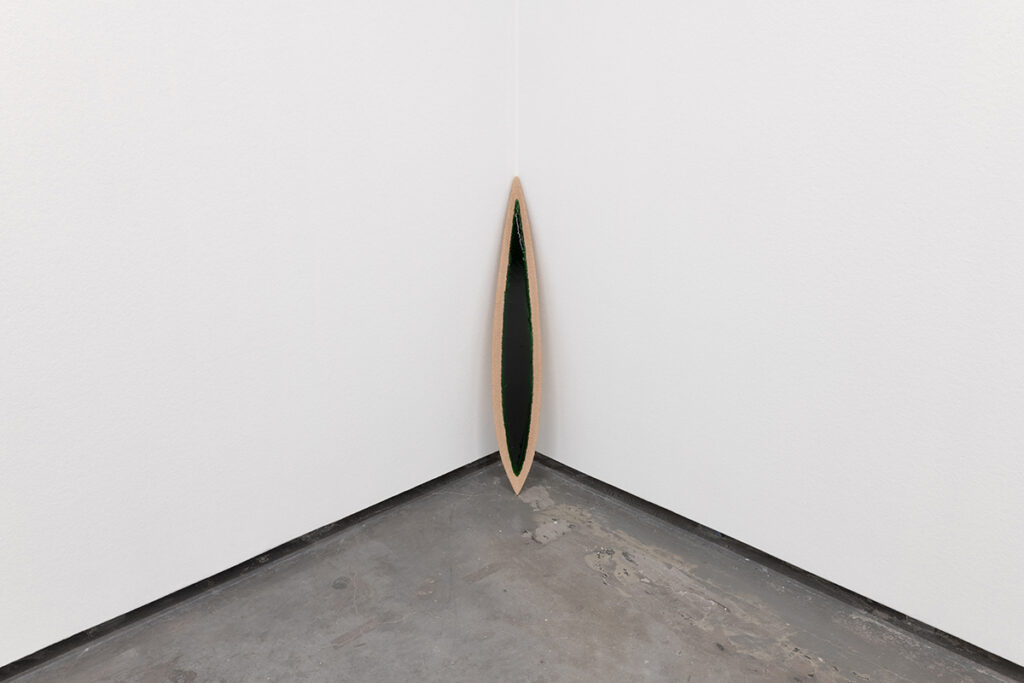
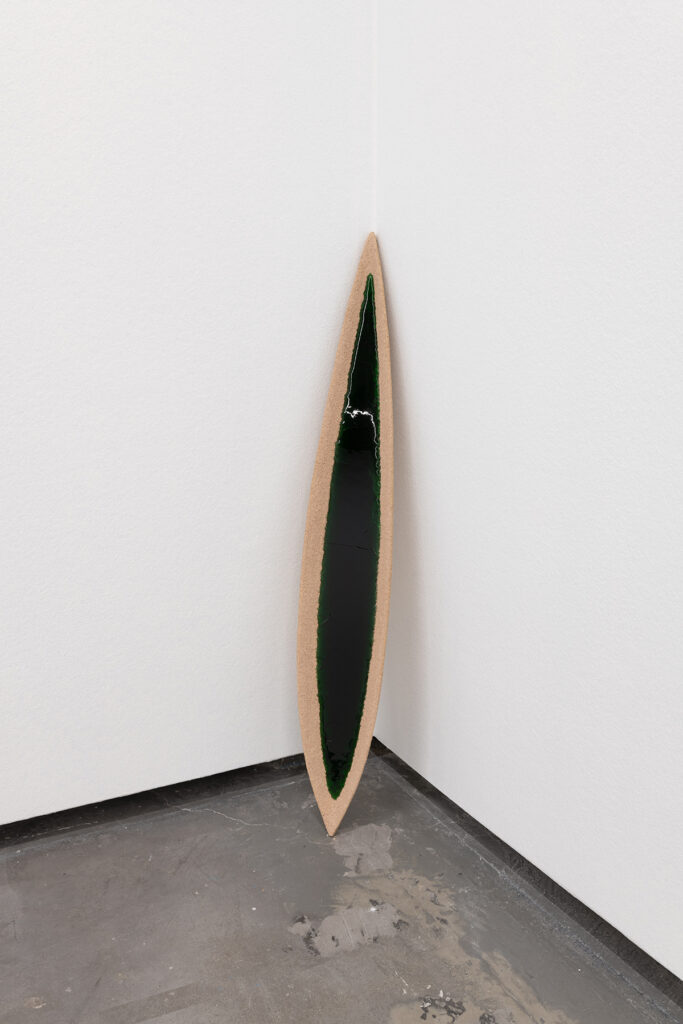
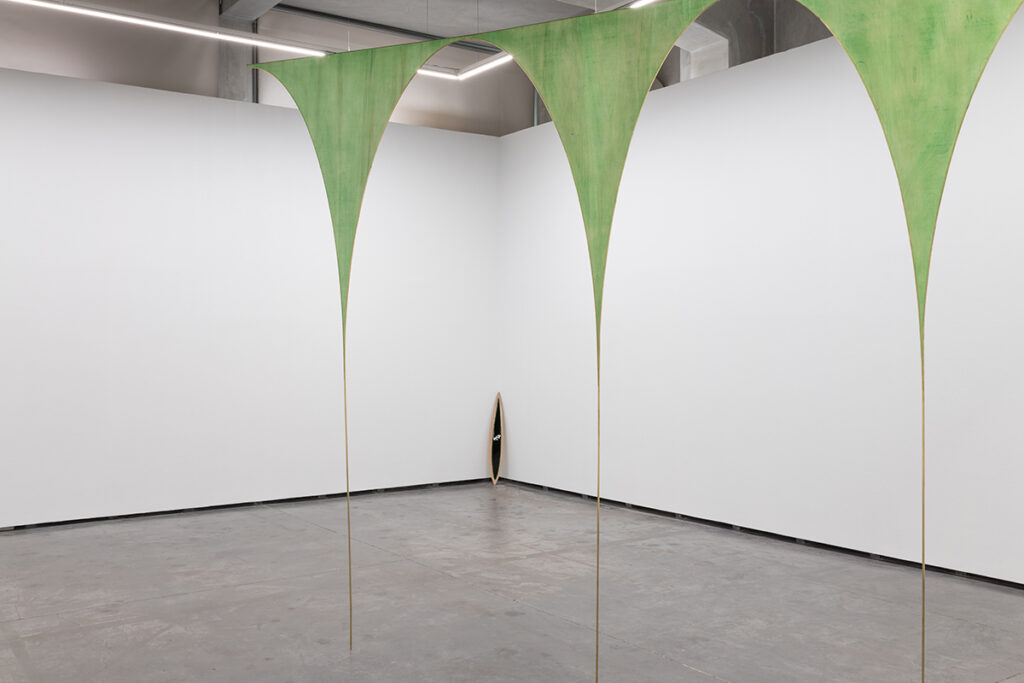
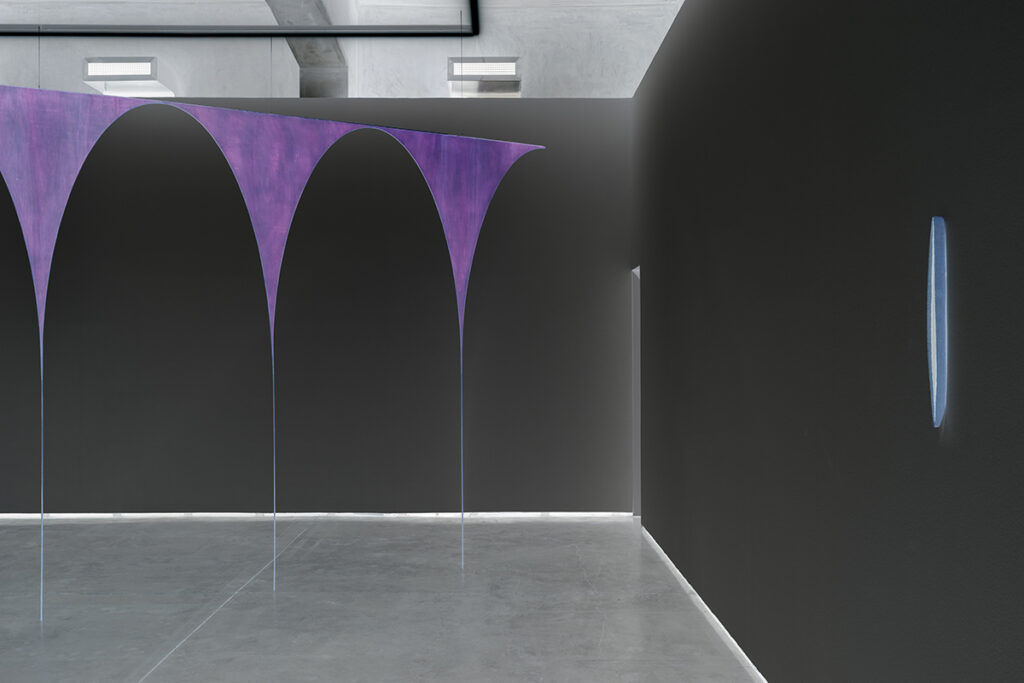
The group of works that make up the exhibition Miragem / Mirage seem to seek to create, in the gallery space, the possible conditions for such an encounter. Diverse elements (reminiscent of known, nameable and distinguishable elements) seem to coexist in a territory where a certain aridness reigns, perhaps the result of a spatio-temporal misalignment or a friction in the symbolic domain (a glitch that may have suddenly destabilised the communication process). Rather than being elements of the same narrative, they seem to be containers for various possible micro-narratives, constituting powerful attractors of attention and offering us portals onto a dimensional infinity that transcends far beyond the architecture of the gallery.
An illusion within reality, produced from an image burnt into a horizon of sand.
Ana Anacleto
November 2024



 /
/  /
/ 